







Oleochemicals
Oleochemical Solutions, Engineered by DVC

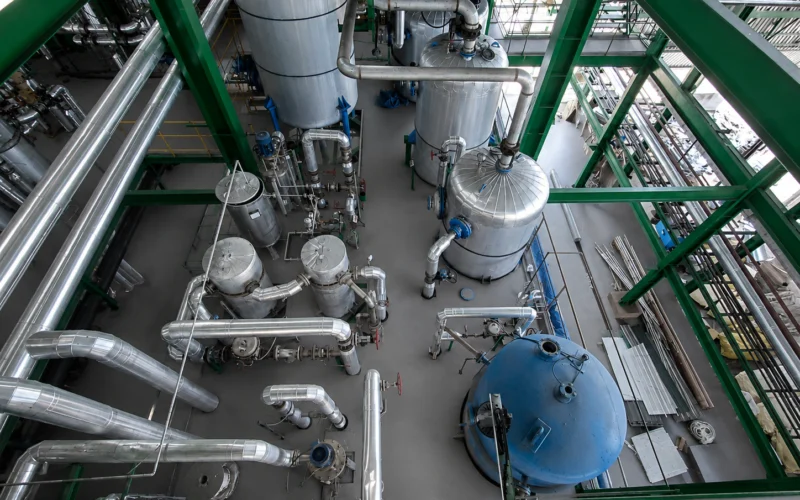
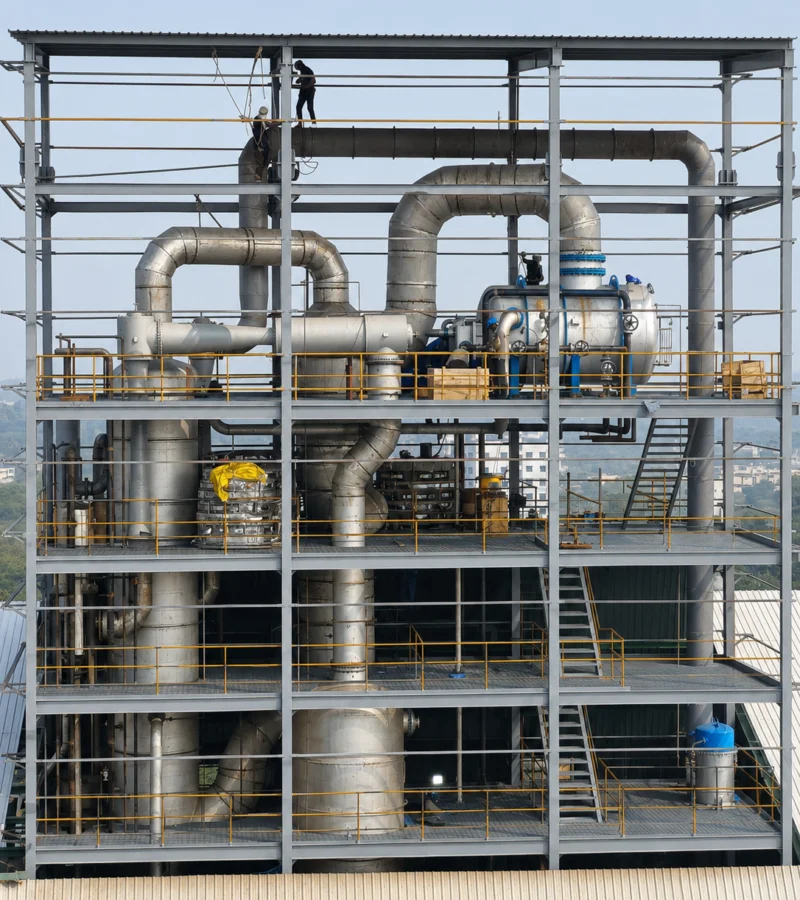
FATTY ACID PLANT
High yield, energy-efficient, low waste, effective glycerin recovery.
a. Continuous fat-splitting extracts oils to fatty acids and glycerine using high-pressure, high-temperature hydrolysis.
b. Enzymatic splitting (Greener process)
B. Sweet Water Treatment:
Efficient purification and evaporation for concentrated glycerine.
C. Fatty Acid Distillation:
High-purity output with energy-efficient, flexible systems.
D. Fatty Acid Hydrogenation:
Efficient high-pressure hydrogenation process using closed-loop reactor, resulting in reduced reaction time.
Glycerin Distillation & Refining
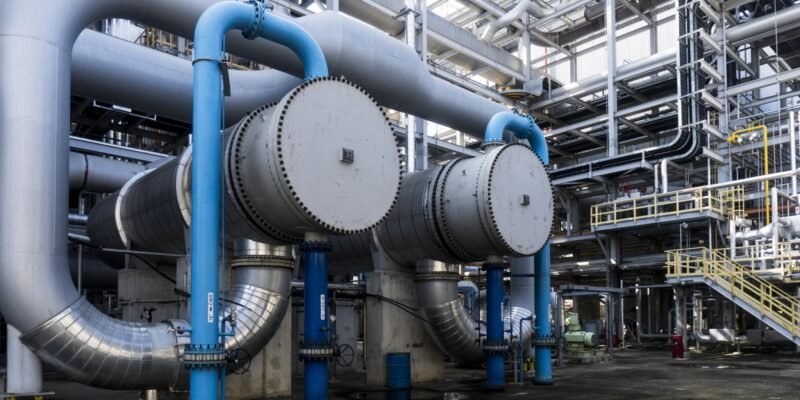
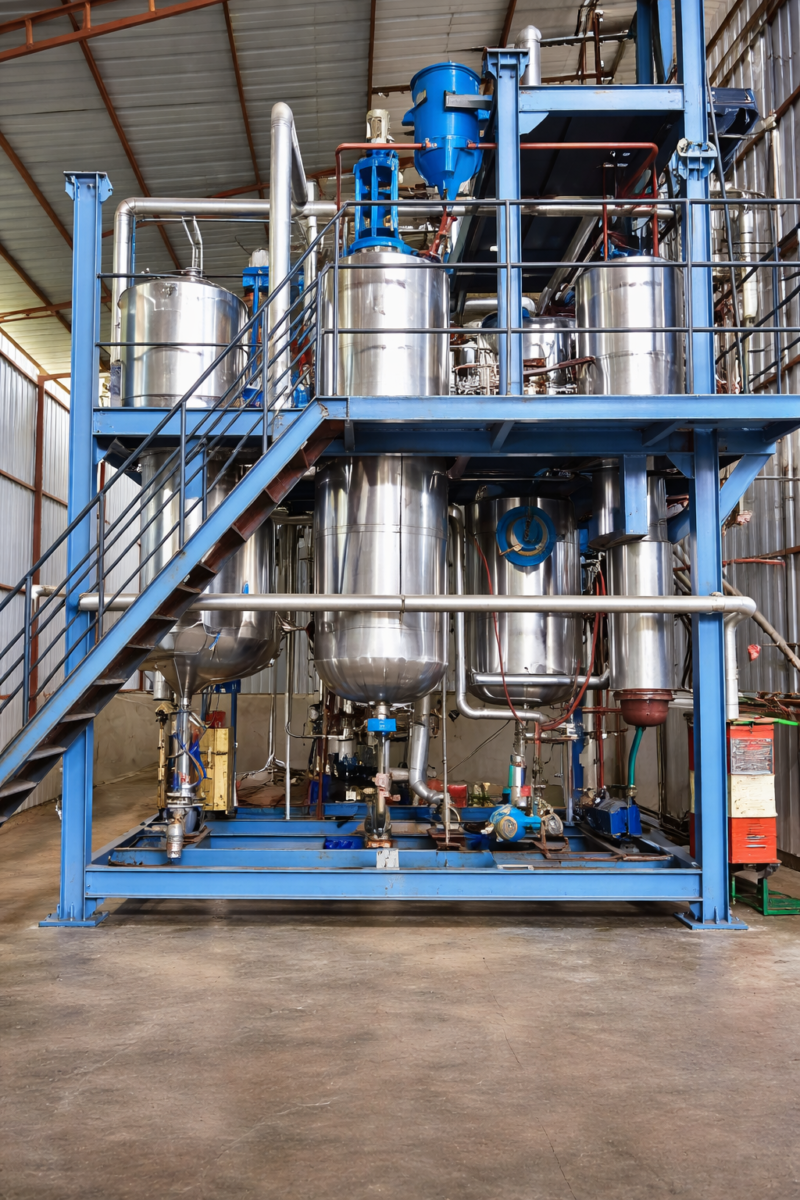
NUTRACEUTICALS
Application: Food & Beverages, Cosmetics and Pharmaceuticals
- Pre-treatment & Refining
Raw coconut or palm kernel oil is first refined to remove impurities. It is heated and mixed with sodium hydroxide to neutralize free fatty acids, followed by bleaching with activated clay to remove pigments.
- Hydrolysis – Pressure Splitting and Enzymatic Splitting
The refined oil undergoes hydrolysis (Fat splitting) generating a fatty acids mixture and glycerol. The split mass is separated from the heavy phase glycerol and subjected to distillation.
- Fractional Distillation
The isolated fatty acids undergo fractional distillation using a molecular distillation technique, where they are separated based on their boiling points. Wiped film evaporators are used under a high degree of vacuum to separate medium-chain fatty acids (like C8 and C10) with lower boiling points from long-chain fatty acids. The distillation temperatures vary for medium-chain and long-chain fatty acids. C8 (Caprylic Acid): Extracted for rapid energy conversion. C10 (Capric Acid): Extracted for sustained energy. C12 (Lauric Acid): Usually removed because it behaves more like a long-chain fat
4.Re-Esterification
The purified C8 and C10 fatty acids are combined back with glycerol to form new, standardized triglycerides. This allows manufacturers to create specific blends, such as the popular 60/40 ratio (60% C8 and 40% C10).
- Final Purification
The resulting oil is deodorized using steam distillation under a vacuum to ensure it is tasteless, odorless, and colorless.
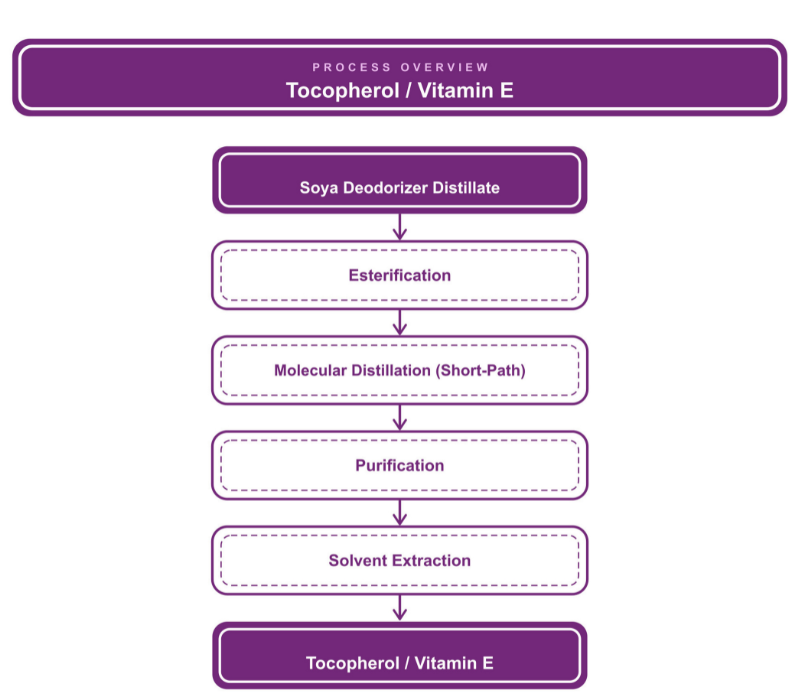
Tocopherol (Vitamin E)

Molecular Distillation/Fractionation: The mixture is subjected to high-vacuum, low-temperature molecular distillation (typically 130–250°C) to separate the lighter fatty acid esters from the heavier tocopherol-rich fraction.
Pre-treatment/Saponification: The distillate is often treated (e.g., saponification or acid catalysis) to convert fatty acids and glycerides into more easily separable forms, often using methanol and sodium hydroxide.
Esterification: Free fatty acids are esterified with lower alcohols (like methanol) using acid catalysts to reduce their boiling point relative to tocopherols, often utilizing a process
Purification/Crystallization: The concentrated tocopherol is further purified, often using chromatographic methods or crystallization to remove remaining stearyl esters and achieve higher, food/pharmaceutical grade purity
1Raw Material Preparation (SODD): Deodorizer distillate is collected, containing tocopherols up to 10%, free fatty acids (FFAs), sterols etc
Omega 3 oil enriched with EPA & DHA