





Biodiesel Production Technology

Sustainable Fuel for a Greener Future

Biodiesel is produced via a transesterification process in which glycerides react with an alcohol such as methanol in the presence of a catalyst. This reaction yields fatty acid methyl esters (biodiesel) along with glycerin as a valuable by-product.
Our solutions are designed to deliver high efficiency, operational flexibility and environmental sustainability enabling producers to meet the rising global demand for renewable fuels.
The biodiesel production process consists of multiple carefully controlled stages to ensure consistent fuel quality and optimal conversion rate.

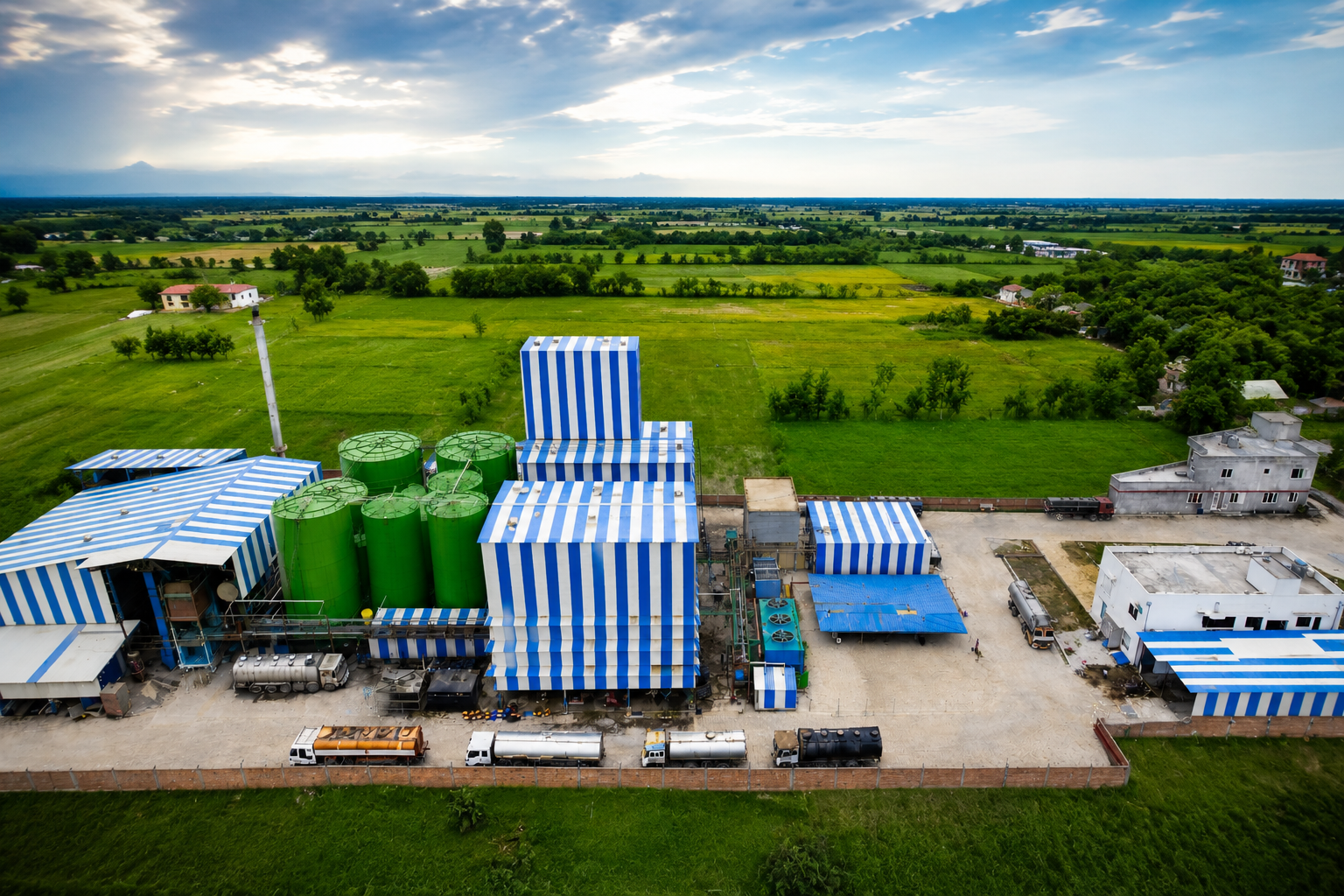
Feedstock Preparation

The selected feedstock is subjected to a pretreatment process for the removal of impurities for efficient process operation.

Transesterification Reaction

The prepared feedstock reacts with alcohol in the presence of a catalyst. This chemical reaction converts triglycerides into: Biodiesel (fatty acid methyl or ethyl esters) Crude glycerin (by-product)

Phase Separation

After the reaction, the mixture separates into two layers – FAME as lighter phase and glycerin as heavy phase. Light Phase – FAME Heavy Phase – Glycerin

FAME Washing & Drying

FAME is washed to remove – Methanol by evaporation and Soap Traces by water washing then subjected to vacuum drying.

Glycerin Refining

Crude glycerin can be further processed by vacuum distillation to produce refined glycerin for industrial or food grade applications.

Heavy Phase Glycerin

The Heavy Phase containing glycerin – methanol – water mixture comprising of soap traces is subjected to further processing to recover methanol by evaporation and further evaporating the water making crude glycerin.

Methanol Recovery

Excess methanol from both biodiesel and glycerin streams is recovered and recycled in the process.

Key Features of DVC Biodiesel Technology
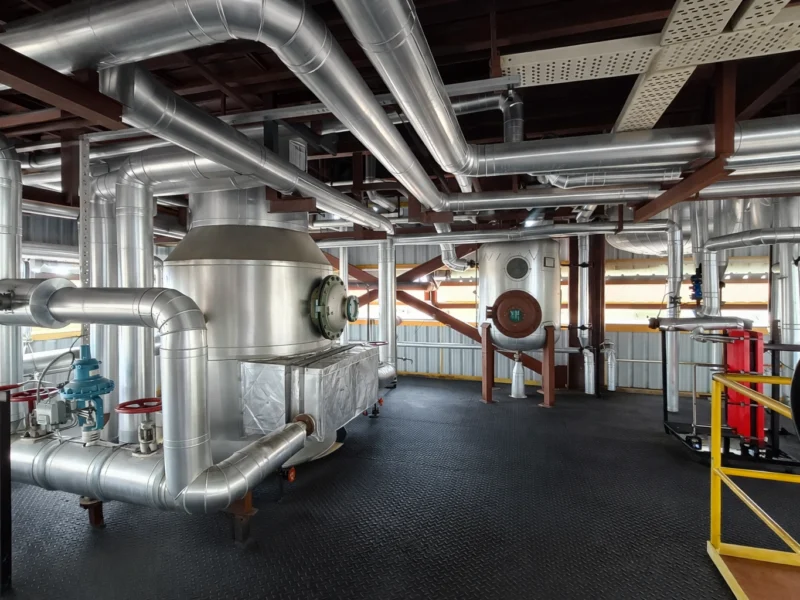
  • Suitable for multiple feedstocks: Vegetable oils, Used cooking oil (UCO), POME oil, Acid Oil, PFAD, Tallow and Low-grade feedstocks.
  • High conversion ratio
  • Optimum chemical consumption
  • Energy-efficient process design
  • By-product value addition
  • Continuous and batch plant configurations
  • Scalable for small to large capacities
  • Biodiesel B100 (IS 15607) grade meeting international standards like ASTM D6751 and EN 14214.